Ten Muslim-friendly cosmetic brands
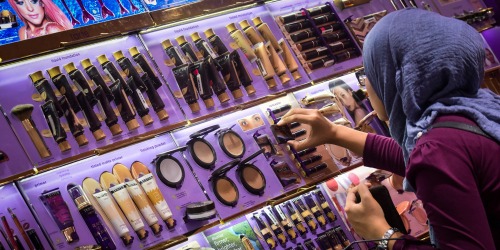
Once considered a niche market, halal cosmetics have become a global phenomenon, with a market projected to exceed $117.8 billion by 2028. More brands are now reformulating products, pursuing halal certification, and appealing to a new generation of consumers who care about purity and purpose as much as pigment and performance.
For Muslim consumers, halal cosmetics promise a way to practice self-care without compromise. It refers to products that comply with Islamic law, being free from alcohol, pig derivatives, and animal by-products, and manufactured under ethical and hygienic conditions.
This becomes especially important as certain mainstream cosmetics use ingredients that are considered haram due to their use of pig-derived collagen, lanolin alcohol, or carmine, a pigment derived from crushed insects. Even products as common as nail polish can pose challenges, since traditional formulas prevent water from reaching the nail — an issue for Muslim women performing wudu (ablution before prayer). Halal nail polishes are specifically designed to be water-permeable and breathable, offering both style and spiritual ease.
Free, in under 30 seconds
Join thousands of professionals reading Salaam Gateway — the Global Islamic Economy Gateway.
Already a member? Sign in
- 5 free articles every month
- Weekly Islamic-economy newsletter
- Save articles to read later
Muhammad Ali Bandial